1. The Anatomy of Sensationalized Headlines
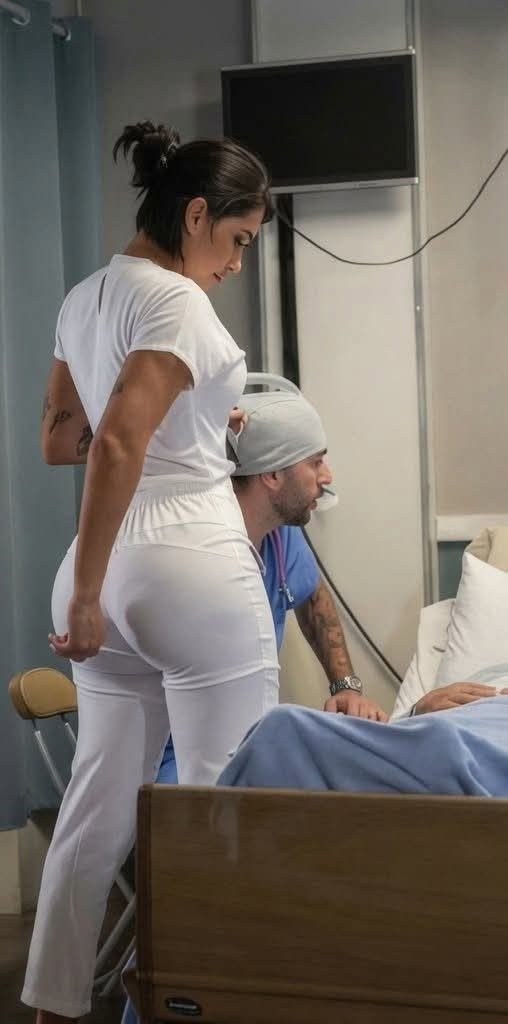
In recent days, social media feeds have been flooded with posts claiming to show a “leaked video of a nurse attending to her patient.” These posts are typically accompanied by vague descriptions, blurred thumbnails, incomplete sentences, or deceptive links urging users to click to “watch the full recording.”
What is Missing from These Posts?
These viral claims consistently lack critical, verifiable details:
- Names of the healthcare provider or patient.
- Identification of the hospital, clinic, or country.
- The exact date or timeframe of the alleged event.
- An official statement from health authorities confirming the video’s authenticity or proving misconduct.
Without these facts, claiming that an unethical incident occurred is irresponsible. The clip could easily depict a standard clinical procedure, a staged video, archival footage, or images stripped of their original context.
2. Clinical Care vs. Out-of-Context Misinterpretation
Nursing care frequently involves intimate physical tasks that may appear unusual to the untrained eye when viewed in isolation. These standard duties include personal hygiene assistance, wound dressing changes, catheter insertion, medication administration, and mobility support.
These routine healthcare actions should not automatically be interpreted as improper behavior.
According to the World Health Organization (WHO), respectful healthcare must uphold the patient’s dignity, privacy, and confidentiality. A brief video fragment recorded from a single angle fails to show the pre-procedure explanation, the full clinical technique, or the patient’s actual medical state.
To accurately evaluate a healthcare provider’s performance, key factors must be examined:
- Was the procedure medically indicated?
- Did the patient provide consent?
- Were clinical protocols strictly followed?
- Did the person recording have proper authorization?
3. Medical Ethics and the Meaning of Informed Consent
The International Council of Nurses (ICN) explicitly states that nurses must safeguard personal information and respect the privacy, confidentiality, and rights of care recipients. The use of technology in healthcare settings must always align with patient safety and dignity.
Crucial Rule on Consent: A patient accepting medical treatment DOES NOT imply authorization to be filmed or to have their images published on the internet.
Consent for recording must be explicit and informed. The patient must understand how the footage will be used, who will access it, and whether it will be distributed for educational, promotional, or public purposes.
In the United States, HIPAA regulations prohibit covered healthcare facilities from allowing media or recording equipment access to protected health information (PHI) without valid, written patient authorization.
4. Why Blurring Faces Does Not Guarantee Anonymity
A common misconception is that pixelating or blurring a face completely anonymizes a video. However, an individual’s identity can easily be deduced through secondary clues:
- Names spoken aloud in the audio, medical record numbers, or hospital wristbands.
- Distinctive voices, scars, tattoos, or specific hospital gowns.
- Room numbers, admission dates, or detailed discussions about a diagnosis.
Because these contextual elements can expose a patient, partially covering a face is often insufficient to protect privacy.
5. Professional Social Media Obligations
Personal social media use does not relieve healthcare workers of their professional confidentiality obligations. Guidelines from bodies like the UK’s Nursing and Midwifery Council (NMC) stress that nurses must handle platforms like WhatsApp, TikTok, Instagram, and Facebook responsibly.
Sharing patient information remains a breach of ethics even if names are omitted or if the material is sent inside a “private group.” A single screenshot, download, or forward can transform a private message into a viral public scandal.
6. Verifying the Source of a Leaked Video
Medical recordings can originate from various sources: visitors, family members, other patients, facility staff, or security cameras. Even if a video surfaces online, the nurse featured in the footage is not necessarily the person who leaked it.
Step-by-Step Fact-Checking Checklist:
- Locate the Original Post: Check the publication date and origin.
- Verify Institutional Statements: Look for official press releases from the hospital, law enforcement, or regulatory boards.
- Cross-Check Reputable News Outlets: Determine whether verified media organizations have reported matching, independently confirmed details.
- Analyze Technical Elements: Review audio synchronization, edit cuts, staff uniforms, signage, and language used in the video.
- Watch Out for Engagement Bait: Be skeptical of captions using phrases like “watch before it gets deleted,” “full video in the comments,” or thumbnail images cropped to imply intimacy.
7. How to Handle Medical Privacy Violations Responsibly
Recommended Actions:
- Document the Evidence: Take screenshots and save links, account names, and timestamps.
- Report the Post: Submit a privacy violation request directly to the social media platform to take down the exposed medical content.
- Notify the Facility: Contact the hospital’s administration, patient advocacy office, or compliance department.
- Use Official Regulatory Channels: File formal reports with health privacy authorities (such as the Office for Civil Rights in the US) if legal privacy violations occurred.