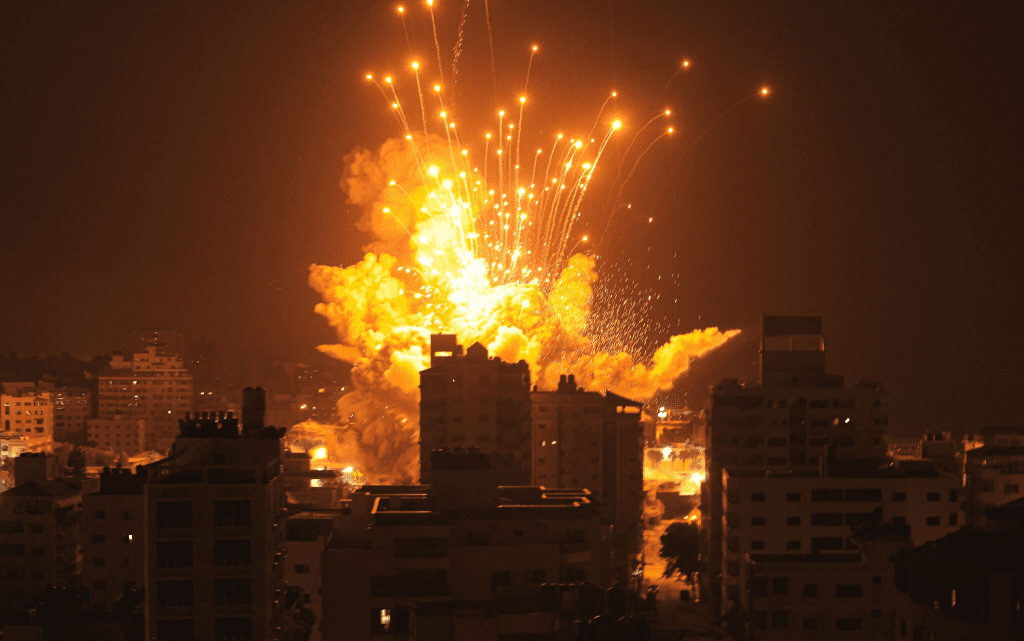
In late September, Israeli Prime Minister Benjamin Netanyahu pivoted his nation’s primary military focus toward southern Lebanon, designating the neutralization of Hezbollah as a top strategic priority. Despite an intense campaign that displaced more than 1.2 million civilians and heavily decimated the group’s leadership hierarchy, Hezbollah remains a highly active adversary—recently demonstrating its reach by launching a drone strike that struck Netanyahu’s own residence.

1. The Multi-Front Campaign to Disrupt the Organization
To dismantle the group’s operational capacity, Israeli forces launched a massive aerial bombardment campaign in late September. This offensive successfully targeted and eliminated several key figures within the organization, including:
- Hassan Nasrallah: The long-serving Secretary-General.
- Hashem Safieddine: The group’s deputy leader.
- Top Military Commanders: High-ranking figures such as Nabil Qaouk, Ibrahim Aqil, and Ali Karaki.
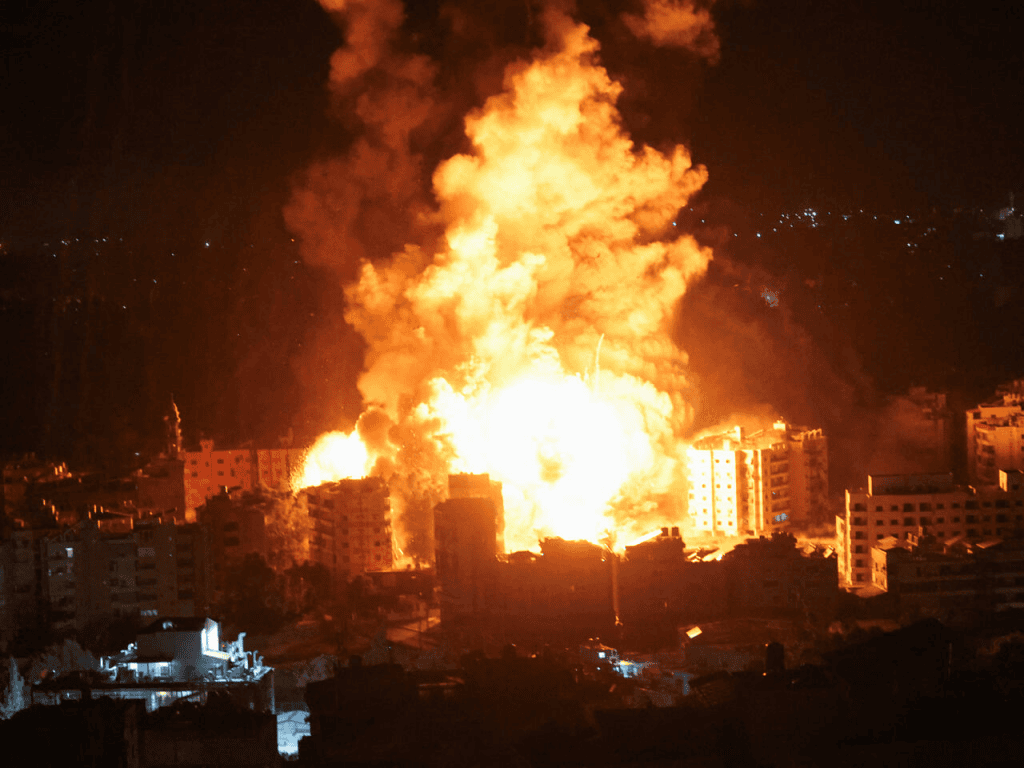
These precise airstrikes focused heavily on key installations across the Beqaa Valley, Dahiyeh, and central Beirut, neutralizing drone production workshops and local financial hubs. Alongside these airstrikes, Israel executed a highly disruptive tactical operation by triggering explosions in thousands of compromised communication devices, including pagers and walkie-talkies, in an effort to completely sever the group’s centralized command network.
2. Autonomy and Adaptation in the Field
Despite suffering unprecedented structural damage, the group has managed to maintain its operational integrity through a highly adaptable defense model:
- Decentralized Command: Rather than relying on a vulnerable top-down hierarchy, the organization utilizes independent, highly trained local cells. This mission-command style grants localized units the authority to make tactical decisions independently, allowing them to remain functional even when senior leadership is taken out.
- High-Mobility Tactics: The fighters heavily employ stealth and dispersal strategies to evade superior airpower, relying on extensive underground tunnel networks and shelters.
- Low-Profile Logistics: Small teams use mountain bikes for low-signature transportation and deploy mobile rocket launchers that can be fired and hidden rapidly.
- Rapid Deployment: Highly coordinated crews can set up, launch a rocket, and disperse in under 30 seconds to avoid immediate retaliatory strikes.